Is Ceramic Coating Worth It for Trucks? A 2026 Guide
Table of Contents
- The Real Question: Is Ceramic Coating Worth It for Trucks?
- Ceramic Coating Cost for Trucks: What Drives the Price
- How Long Does Ceramic Coating Last on a Truck?
- Ceramic Coating vs Wax for Trucks: Which Makes Sense?
- Ceramic Coating Maintenance for Trucks: Keeping It Working
- Use-Case Breakdown: Work Trucks, Daily Drivers, and Off-Road Rigs
- The Verdict: When Ceramic Coating Pays Off for Truck Owners
- Frequently Asked Questions
Last Updated: October 5, 2026
The Real Question: Is Ceramic Coating Worth It for Trucks?
Is ceramic coating worth it for trucks? For most truck owners who plan to keep their vehicle for several years, yes, provided they understand what a coating does and does not do.
Trucks take more abuse than almost any other vehicle. They sit outside, haul gear, and spend more time on highways where road grime and environmental contaminants collect.
What a Ceramic Coating Actually Does (and Doesn't Do)
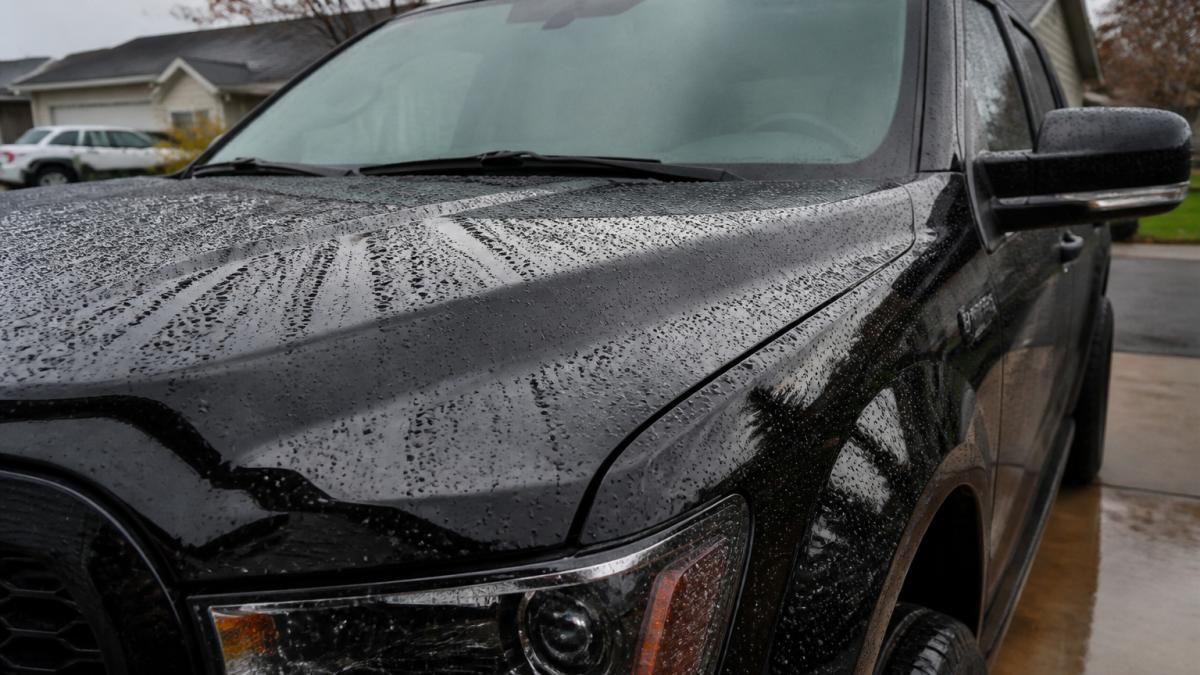
A ceramic coating creates a sacrificial layer over the clear coat. That layer is hydrophobic, so water beads and rolls off, and it resists UV exposure, which causes oxidation and fading on truck hoods and roofs that live outdoors.
What it does not do matters just as much. It is not armor: it will not prevent scratches from branches, gravel, or a careless belt buckle, and it does not stop paint chips. That is why paint correction comes before any coating goes on.
Ceramic Coating Cost for Trucks: What Drives the Price
Ceramic coating cost for trucks depends on three things: truck size, paint condition, and the level of preparation included. A crew-cab long bed has far more surface area than a regular cab, so it takes more product and labor hours, and heavier oxidation or deeper scratches add correction time before coating begins.
Most shops quote a truck in tiers rather than a flat rate, tracking surface area and prep work more than the brand of coating.
Why Truck Size and Paint Condition Change the Quote
The cheat code to understanding any quote is asking what is included before the coating. A low price often means a quick wash and wipe-down; a complete job includes decontamination, clay treatment, paint correction, and a controlled curing process.
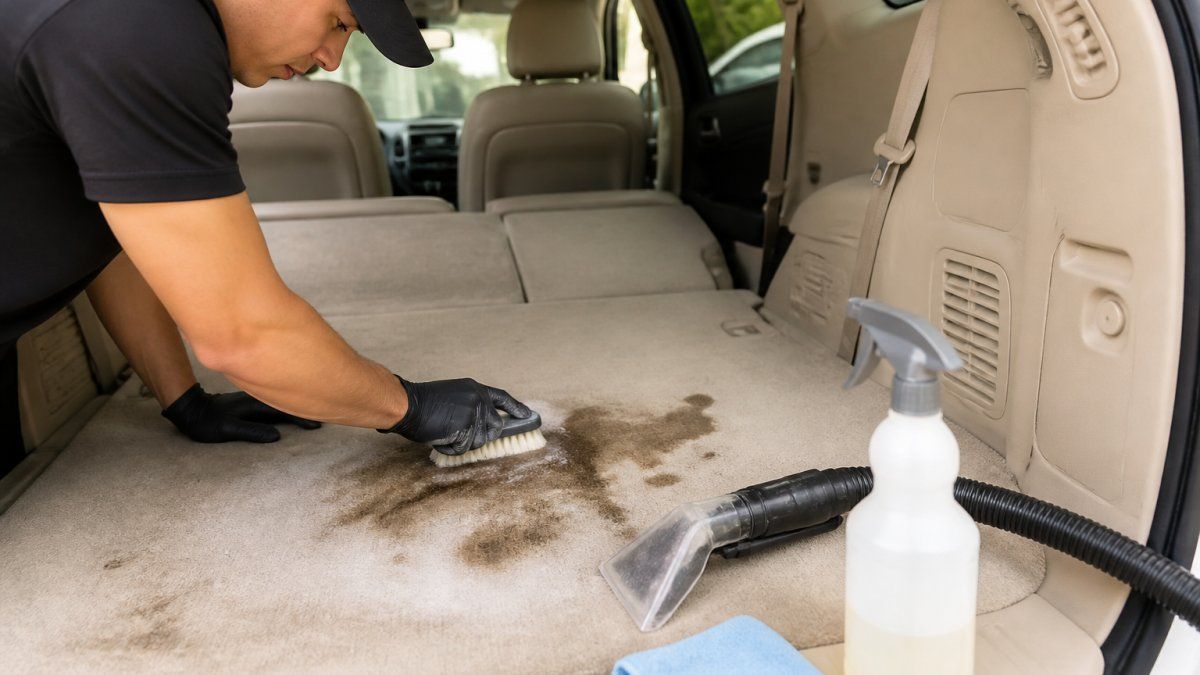
- Decontamination: removes embedded rail dust, tar, and tree sap that washing alone misses
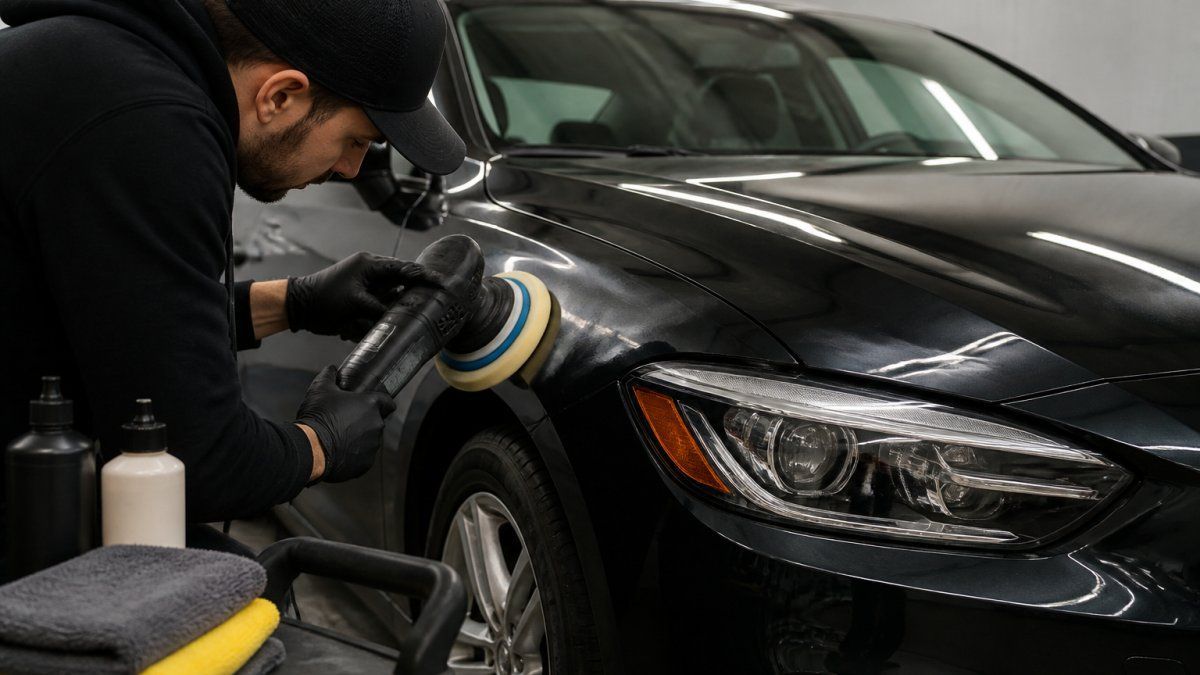
- Paint correction: machine polishing that removes swirl marks and light scratches
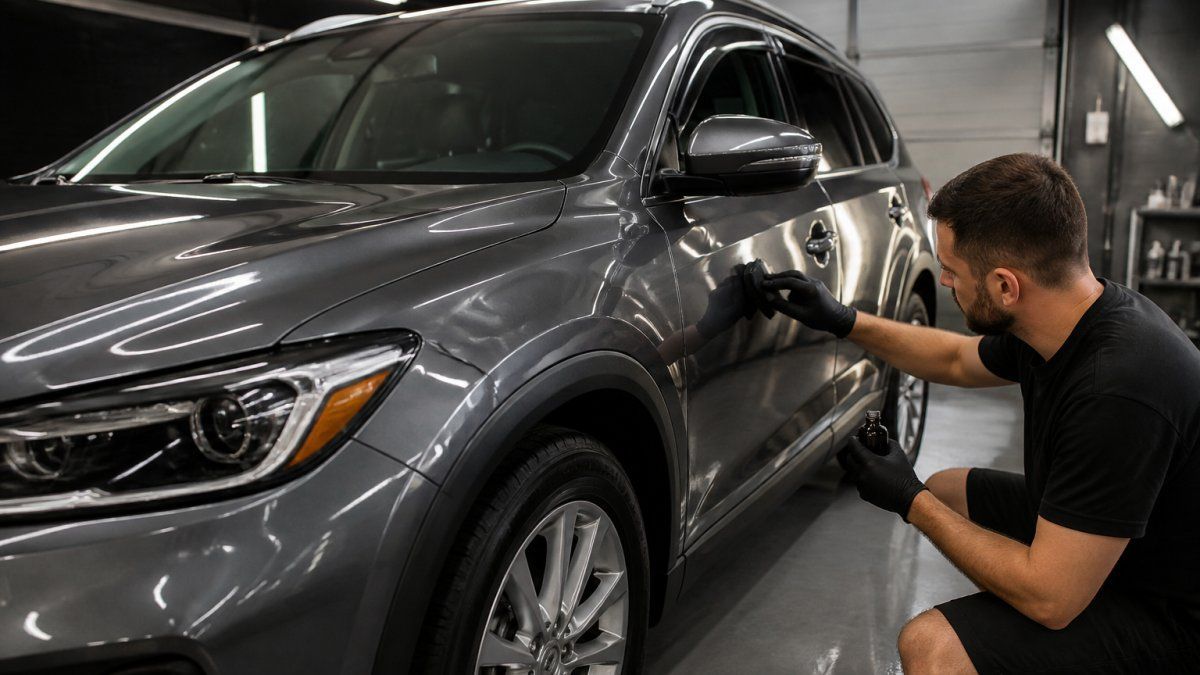
- Coating application: applied panel by panel in a controlled environment
That last step is where a proper shop setup matters. Applying a coating in direct sun or dusty air shortens its life before it ever cures.
Running the Numbers Against Wax and Sealant
This is the part most guides skip, and it answers the actual question. A coating is not competing against "nothing", it competes against the cost of doing nothing, waxing, or sealing, spread across however long you keep the truck.
Here is the framework. Fill in your own numbers:
- How long will you keep the truck? Three years and five years produce very different answers.
- How often would you wax it otherwise? A truck parked outside typically needs wax every two to three months; a garage-kept truck can stretch that.
- What is your time worth? A full wax on a crew cab is a couple of hours of your Saturday, several times a year.
- What does a professional coating cost in your area? Get two or three quotes on the same truck and compare what is included, not just the total.
- What does a DIY coating kit cost? Add the kit price, paint correction supplies, and hours of prep, because prep is where most DIY coatings fail.
A professional coating costs several times a single wax job but spreads across years of protection. Over a five-year hold, it often comes out close to or ahead of repeated professional waxing, and well ahead on your personal time.
Where the Money Actually Goes
A professional quote is not just product cost, the coating itself is often the smallest line item. The bulk is labor: washing, decontaminating, claying, taping off trim, machine polishing, wiping down with panel prep, then carefully and methodically applying and leveling the coating.
That is why a cheap quote is a warning sign: if the price is close to the cost of the product alone, something in the prep chain is being skipped, and the coating will not last as advertised.
What Changes the Price Most
Ranked by impact on the final quote:
- Paint condition. A swirled, oxidized truck needs far more correction than a new one.
- Truck size and trim. More panels, more plastic, more masking.
- Coating grade and warranty. Longer-warranty professional coatings cost more than consumer kits.
Because we quote each truck individually, we do not publish flat rates. We would rather see the paint in person than guess at a number and surprise you later.
How Long Does Ceramic Coating Last on a Truck?
How long does ceramic coating last on a truck? A professionally applied coating typically lasts several years, while consumer-grade DIY products often fall short of their advertised claims.
Three factors decide the real lifespan:
- Prep quality. A coating only bonds as well as the surface allows. Contamination left under the coating leads to premature failure.
- Coating grade. Professional coatings are formulated for longer durability than most retail kits.
- Maintenance. Harsh automatic washes and aggressive chemicals wear a coating down faster than proper hand washing.
A truck that lives outside year-round and gets washed at a brush tunnel weekly will see a shorter coating lifespan than a garage-kept truck that gets a gentle hand wash, normal, and worth planning around.
Ceramic Coating vs Wax for Trucks: Which Makes Sense?
Ceramic coating vs wax for trucks comes down to time versus money. Wax is cheaper upfront and can be applied in an afternoon, but breaks down within weeks to a few months depending on sun and washing.
| Factor | Wax | Ceramic Coating |
|---|---|---|
| Upfront cost | Low | Higher |
| Durability | Weeks to months | Several years |
| Protection level | Basic | UV, chemical, hydrophobic |
| Maintenance | Frequent reapplication | Periodic maintenance washes |
| Best for | Short-term owners | Long-term owners |
A paint sealant sits between the two: longer than wax, shorter than ceramic, easier to apply than either. For a truck someone plans to sell within a year, wax or sealant may be the smarter spend; for five years or more, the coating math tends to win.
Ceramic Coating Maintenance for Trucks: Keeping It Working
Ceramic coating maintenance for trucks is simpler than most owners expect, but not zero-effort. The coating does the heavy lifting; the owner still has to wash the truck correctly.
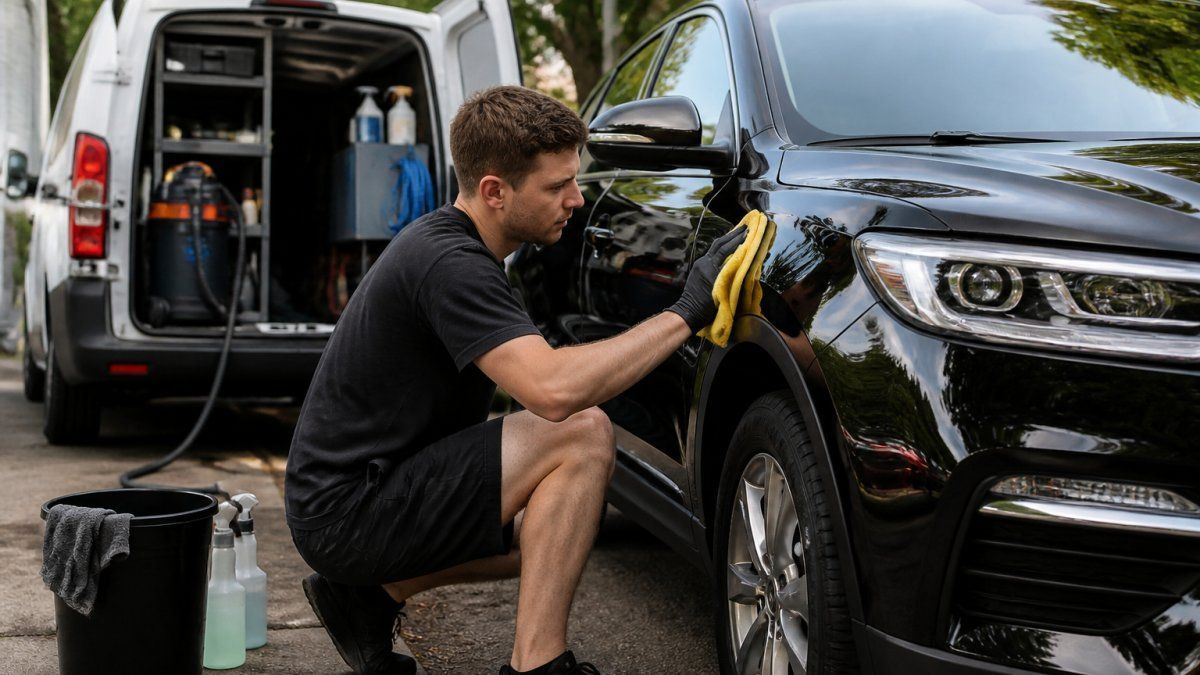
- Wash every two to four weeks with a pH-neutral soap
- Avoid automatic brush washes, which grind dirt into the coating
- Use the two-bucket method or a quality microfiber mitt
A common mistake is owners treating a coated truck like it no longer needs washing. The opposite is true: a coated truck is easier to wash, which makes keeping up with it far less of a chore.
Use-Case Breakdown: Work Trucks, Daily Drivers, and Off-Road Rigs
The coating decision changes based on how the truck is actually used: a work truck on job sites faces different threats than a weekend off-road rig or a daily commuter.
- Work trucks: Constant exposure to dust, tar, scratches and jobsite grime. A coating helps because it makes the truck wash clean faster, and revivify helps to heal out some of the scratches, which matters when appearance is part of the business.
- Daily drivers: Highway miles, parking lots, and sun exposure. A coating protects against UV fade, Revivify heals out scratches, and makes routine washing quicker.
- Off-road rigs: Mud, branches, and gravel are the enemy. A coating helps with mud release, but Revivify, or paint protection film are the better answers for impact-prone areas like the lower panels and rocker panels.
Where a coating falls short is impact protection. It will not stop a rock thrown by a passing truck or a branch dragged along the bedside. If that damage is a real risk, a traditional coating alone is not the right tool. Look into Revivify.
The Verdict: When Ceramic Coating Pays Off for Truck Owners
Ceramic coating pays off for truck owners who plan to keep their truck for several years, park it outside, and want to spend less time washing and more time driving.
The longer answer depends on your budget, how long you keep the truck, and what you want out of it. Here is a decision framework you can run in a few minutes.
Decide by Ownership Horizon
- Under one year: Skip the coating. Put the money toward a thorough detail before you sell or trade; a coating will not return its cost in resale over that window.
- One to three years: Revivify Light is usually the better spend, protection self healing and gloss without paying for durability you will not use, But also making your Trade value A lot higher by keeping you paint looking new.
- Three to five years: The math gets close. A coating makes sense if you park outside, wash often, or value your time. especially if your car will see a lot of "touching".
Decide by Budget
- Tight budget: A quality sealant applied twice a year is the highest value per dollar, not as durable as a coating, but it protects the paint and keeps the truck looking good.
- Mid budget: A DIY coating kit can work if you do the prep properly. The prep is the hard part, and skipping it is why most DIY coatings disappoint.
- Higher budget: A professional coating with a warranty, plus paint protection film on impact zones, is the most complete setup for a truck that sees real use, And will actually cost you less in the long run.
Decide by What You Want Out of It
- You want less washing and easier cleanup: A coating delivers here. Mud, bugs, and road film release faster, and the truck stays cleaner between washes.
- You want maximum gloss and depth: A coating helps, but paint correction is what actually removes the swirls and scratches that dull the finish. Correction first, coating second. Revifify to lock it in and heal out your minor "love marks".
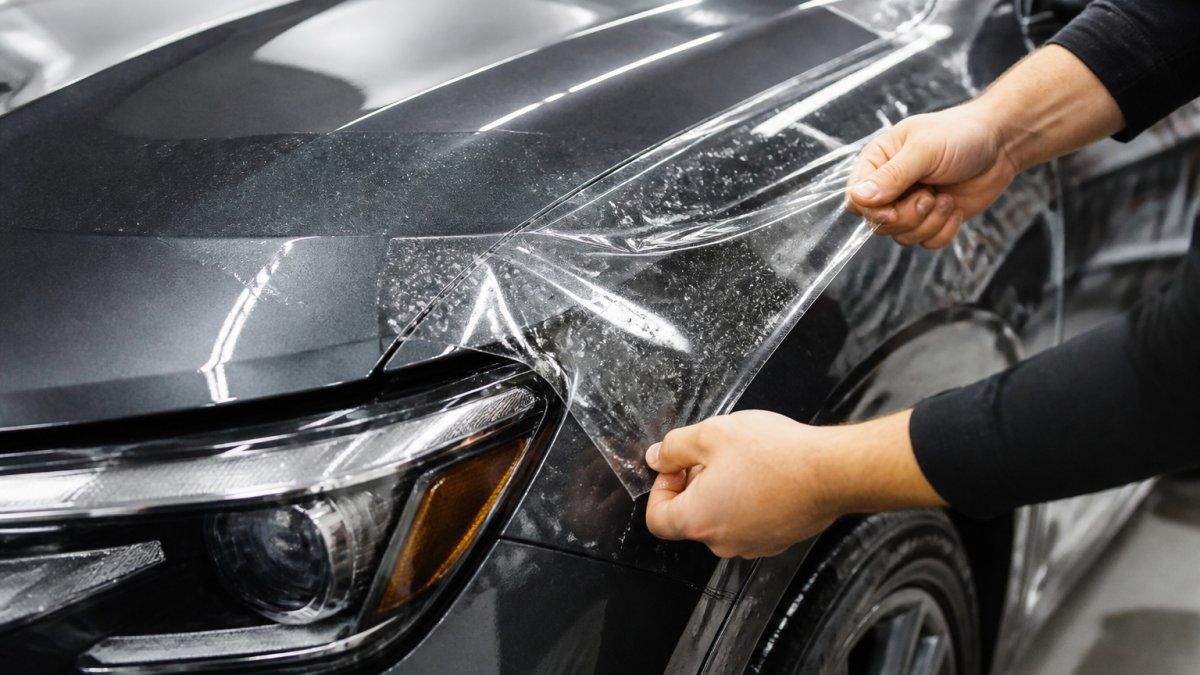
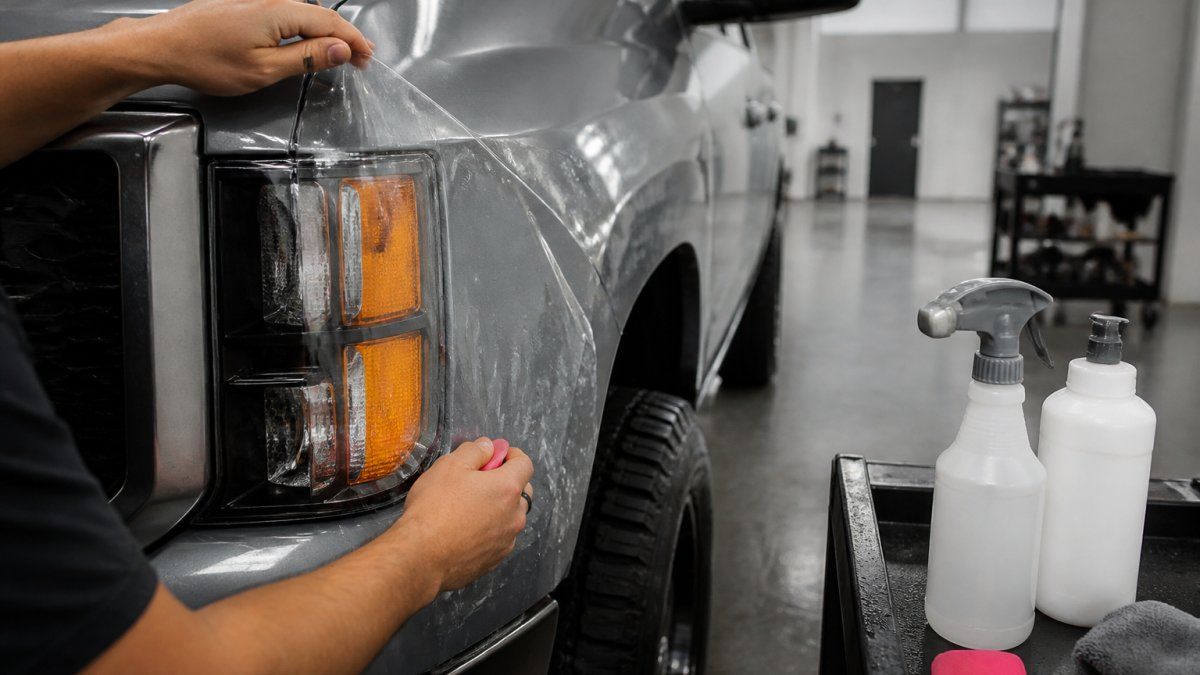
- You want protection from rock chips and scratches: Revivify can handle the scratches, while Paint protection film handles impact and Heavy abrasion. Many trucks benefit from both, applied to different zones.
The Use-Case Shortcut
If you do not want to run the full framework, match your truck to the closest profile:
- Work truck on job sites: Coating helps with grime and fast cleanup. Add PPF on the lower panels if you see gravel and debris.
- Daily driver, parked outside: Coating is a strong fit. UV and sun exposure are the main threats, and the coating handles them.
- Off-road rig: Coating helps with mud release, but PPF on rocker panels, lower doors, and the front end is the priority. Coating alone will not stop branch and rock damage. Revivify helps with light scratches and rock chips, while being far superior to traditional coatings.
The Honest Bottom Line
A ceramic coating is worth it for trucks when you plan to keep the truck long enough to use the durability, you park it outside or drive it hard, and you want easier maintenance and longer-lasting gloss.
At S.C.A. Detailing, we have been applying self-healing ceramic coatings, paint protection film, and paint correction since 2016, and we would rather give you a straight answer than sell you a coating you do not need.
Frequently Asked Questions
Is ceramic coating worth it for a truck?
It depends on how long you plan to keep the truck and how much you value easier washing and paint protection. A ceramic coating for trucks creates a hydrophobic layer that repels water, dirt, and UV rays, which helps preserve the paint finish and resale value. If you're keeping the truck five or more years, the long-term value often outweighs the upfront investment.
How much does ceramic coating cost for trucks?
Pricing depends on truck size, paint condition, and the specific coating package you choose. Larger trucks with more surface area and any needed paint correction will cost more than a smaller vehicle in good condition. For an accurate quote, contact S.C.A. Detailing directly with your truck's make, model, and current paint condition.
Does ceramic coating protect truck paint from scratches?
A ceramic coating adds a thin sacrificial layer or self healing properties that can help reduce minor swirl marks and light surface scratches from washing. It does not make paint scratch-proof. For heavier impact protection from rocks, branches, or road debris, paint protection film is the better choice. Many truck owners combine both for maximum defense.
Can you ceramic coat a truck used for work or off-roading?
Yes, and it often makes more sense for these trucks than for garage-kept vehicles. Work trucks and off-road rigs face more road grime, mud, and environmental contaminants, so the easier cleaning and UV resistance a coating provides can save you time and help prevent oxidation. Just set realistic expectations: the coating helps, but it won't stop every scratch or rock chip.
Deciding whether a coating is worth it gets easier once someone looks at your truck instead of a generic price sheet. S.C.A. Detailing offers self-healing ceramic coatings, paint protection film, and paint correction backed by meticulous surface preparation and ongoing training. Get a free estimate and we will tell you honestly whether a coating, a film, or neither makes sense for your truck.