Mobile Motorcycle Detailing Services Salem OR: 2026 Guide
Table of Contents
- Mobile Motorcycle Detailing Services in Salem, OR: What to Expect
- Motorcycle Detailing Preparation: What to Do Before the Detailer Arrives
- What Shapes Motorcycle Detailing Cost in Salem
- Mobile Detailing at Work: How It Works for Busy Riders
- Motorcycle Ceramic Coating: Protection That Fits How You Ride
- How to Choose a Qualified Motorcycle Detailer in Salem
- Maintaining Your Motorcycle Between Details
- Conclusion: Booking Mobile Motorcycle Detailing in Salem
- Frequently Asked Questions
Last Updated: October 6, 2026
Mobile Motorcycle Detailing Services in Salem, OR: What to Expect
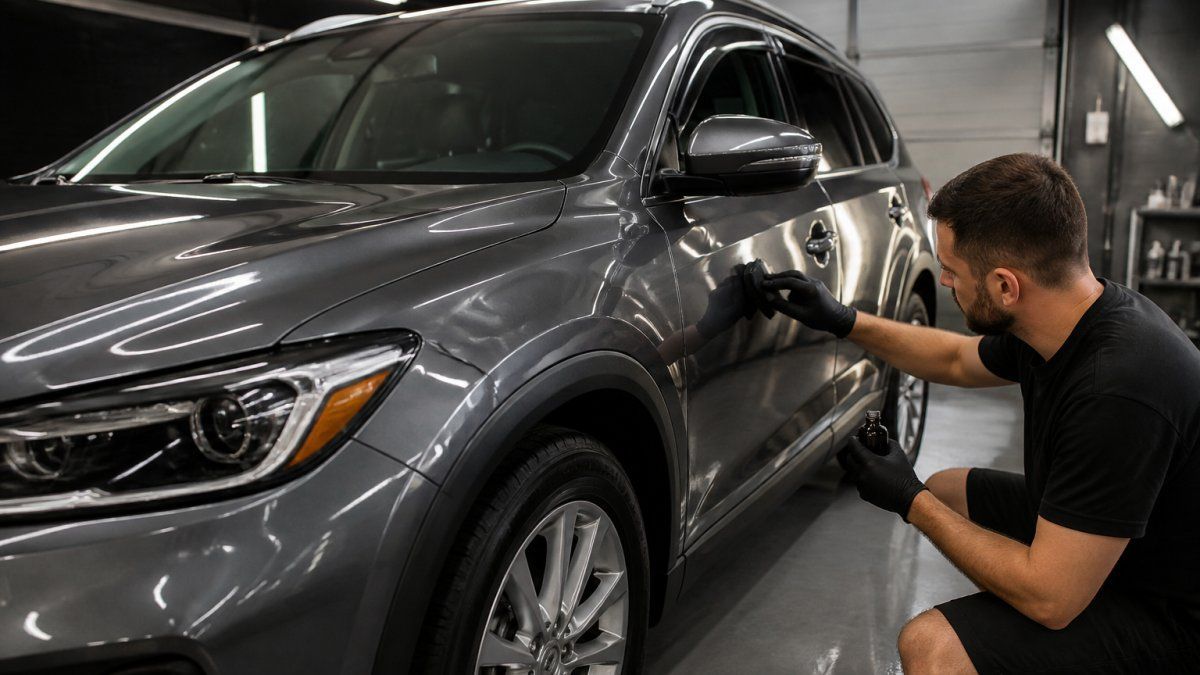
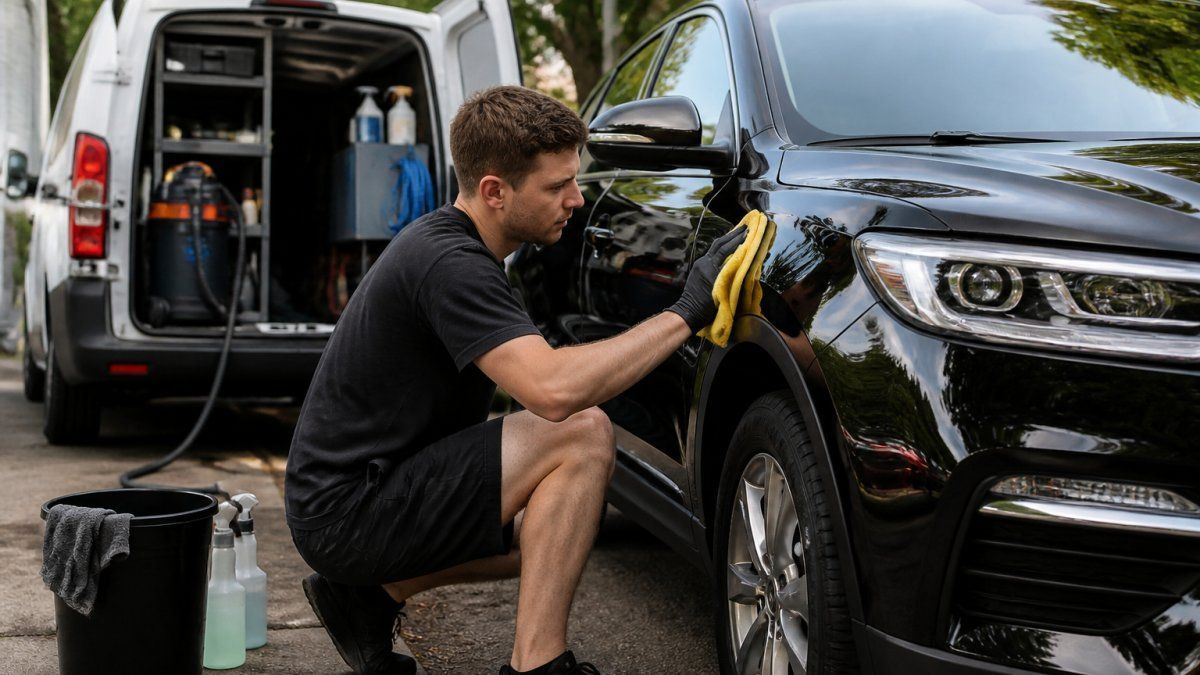
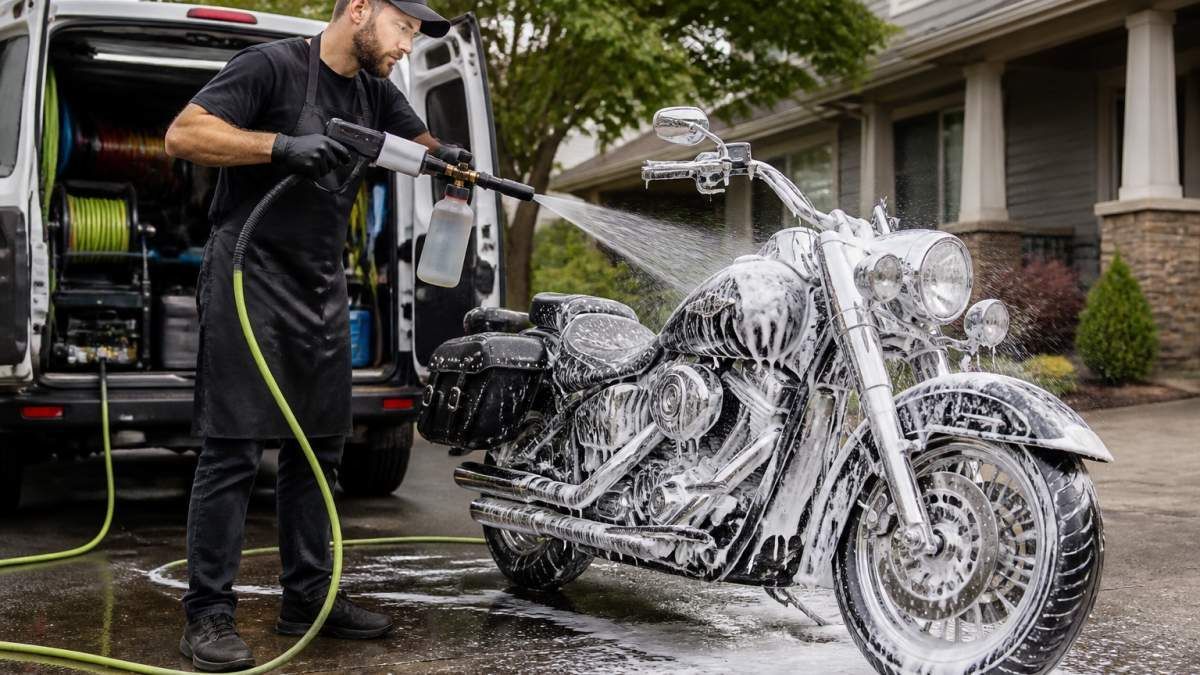
Mobile motorcycle detailing services in Salem, OR bring the wash, decontamination, and protection work to your driveway or office parking lot. At S.C.A.
What a Mobile Motorcycle Detail Includes
A standard mobile motorcycle detail covers exterior cleaning, wheel and chain-area degreasing, surface decontamination, and a protective finish, plus the seat, windscreen, engine cases, and exhaust.
Most packages break down into three tiers:
- Wash and detail: hand wash, wheels, tires, quick wax, basic wipe-down
- Deep cleaning: the above plus iron and tar removal, clay treatment, and engine detailing
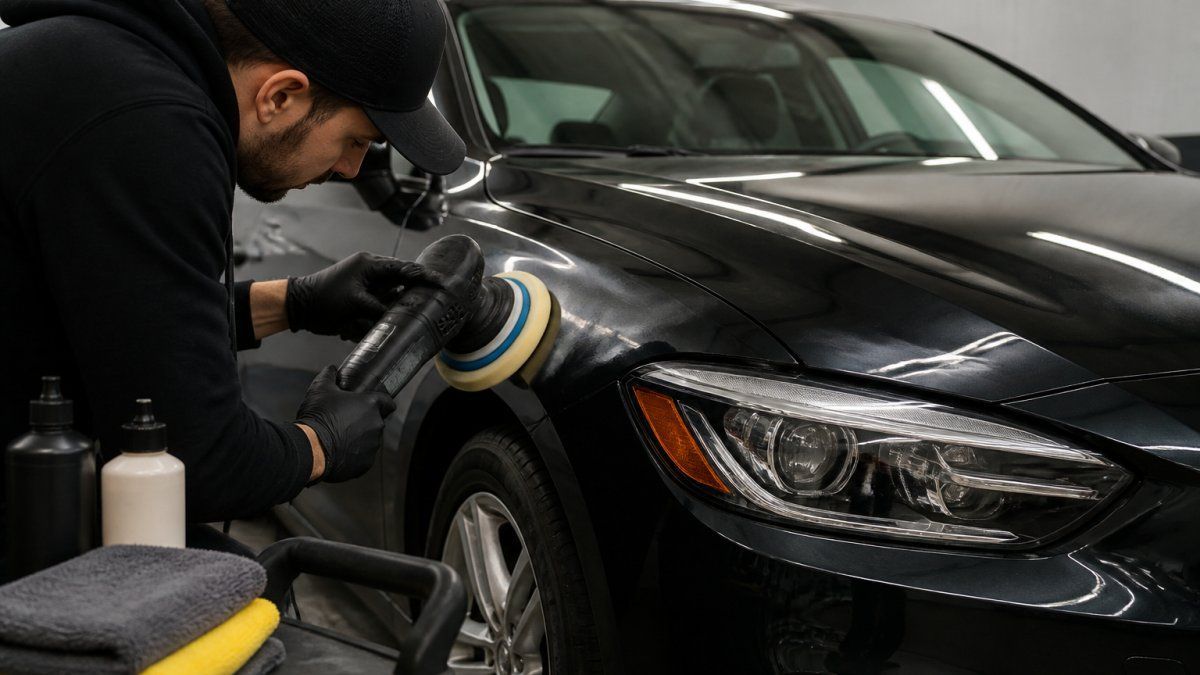
- Paint protection: polishing or paint correction followed by a ceramic coating
Ask what each tier actually removes. A "premium wash" that skips decontamination leaves bonded brake dust and road film behind, and no wax hides that.
How a Mobile Unit Sets Up at Your Home or Office
A properly equipped mobile unit carries its own water tank and power supply, so it does not depend on your garden hose or garage outlet. Hard water leaves mineral spots on paint and chrome; spot-free filtration avoids that.
Setup usually takes 15 to 30 minutes. The detailer needs a flat, shaded area roughly the size of two parking spaces, out of direct afternoon sun.
Motorcycle Detailing Preparation: What to Do Before the Detailer Arrives
A few simple steps before the appointment let the detailer spend time on cleaning and protection rather than moving your belongings.
- Clear personal items from saddlebags, top boxes, and the tank bag
- Remove any aftermarket accessories you can take off easily, like a removable windscreen
- Park on level ground with room to walk around both sides
Matte finishes, vinyl wraps, and custom graphics need different products and techniques than factory clear coat. A detailer who does not ask about your finish may damage it.
A Safe Step-by-Step Cleaning Sequence for Bikes
Motorcycles are not small cars. Exposed wiring, chain drives, sealed bearings, and sensitive electronics punish the wrong cleaning method.
- Cool the bike completely. Never wash a hot engine or exhaust.
- Pre-rinse at low pressure. High pressure forces water into bearings, seals, and electrical connectors.
- Clean wheels and chain area first. Degreaser, brushes, then rinse before it dries.
- Wash top down with two buckets. One for soap, one for rinse, so grit stays out of your wash mitt.
- Decontaminate the paint. Iron remover and clay treatment pull out what washing leaves behind.
- Dry with filtered water and microfiber. Air dry only if you want water spots.
- Protect. Wax, sealant, or ceramic coating, depending on your riding habits.
What Shapes Motorcycle Detailing Cost in Salem
Motorcycle detailing cost depends on the bike's size and condition, the package you choose, and whether the service comes to you. A lightly soiled commuter needs far less labor than a touring bike that has crossed three states or sat uncovered for a season.
Providers rarely publish fixed rates, so understand the ranges and the factors that push a quote up or down.
| Package Level | Typical Price Range | Typical Time on Site | What Drives the Price |
|---|---|---|---|
| Wash and detail | $75-$150 | 1-2 hours | Bike size, level of grime |
| Deep cleaning (decontamination, clay, engine detail) | $150-$300 | 2-4 hours | Bonded brake dust, tar, oxidation |
| Paint correction | $300-$600+ | 4-8 hours | Severity of swirls, number of panels |
| Ceramic coating (with correction) | $500-$1,200+ | 1-2 days (including cure) | Coating brand, number of layers, prep work |
The biggest cost drivers are:
- Condition: heavy oxidation, embedded brake dust, or years of grime add hours of work
- Finish type: matte and custom finishes require specialty products and more careful handling
- Package level: a wash and wax sits at one end; paint correction and ceramic coating sit at the other
What a Price Quote Should Spell Out
A useful quote tells you exactly what is included, not just a total. Ask for these in writing:
- Which steps are in the package and which cost extra
- Whether a travel charge applies and how it is calculated
- Estimated time on site
If a provider cannot answer those five questions clearly, keep looking. Vague quotes are how riders pay for a "full detail" that was really a wash and a spray wax.
Travel Charges and Mobile-Service Fees
Mobile detailing adds a logistics cost a fixed shop does not have: loading water, power, and supplies, then driving to you and setting up. Most operators handle this one of three ways:
- Flat travel fee within a set radius (often the first 15-25 miles), then a per-mile charge beyond that
- Tiered zones , a lower fee inside the metro area, a higher fee for outlying towns
- No separate fee , with the travel cost baked into the package price
Ask which model your provider uses before you book. A "free mobile service" that quietly adds $40 to the package is not free, and a low package price with a steep travel fee can cost more than a higher-priced local provider.
Why We Do Not Publish Fixed Rates
Every motorcycle is different. A garaged, regularly washed bike needs a fraction of the labor of one that sat outside through a rainy season. Wile we do have "set" pricing, we also know that people have different budgets, and expectations. we like to meet those as close as possible. A single published number would overcharge easy jobs or undercharge hard ones. Request a quote with photos and a clear description of your motorcycle's condition to get a real number instead of a guess.
Mobile Detailing at Work: How It Works for Busy Riders
Mobile detailing at work solves a scheduling problem rather than a cleaning one. You ride in, park, and the detail happens while you are at your desk. No drop-off, no waiting room, no rearranging your week.
You book a date, confirm the parking spot and building requirements, and hand over the keys (actually not necessary in most cases). Most mobile details run two to four hours; by the time you clock out, the bike is dry, protected, and ready to ride home.
A few practical notes for workplace details:
- Confirm your employer allows outside vendors on the property
- Choose a shaded or covered spot if one is available
- Avoid scheduling on a day with rain in the forecast if the package includes coating work
Motorcycle Ceramic Coating: Protection That Fits How You Ride
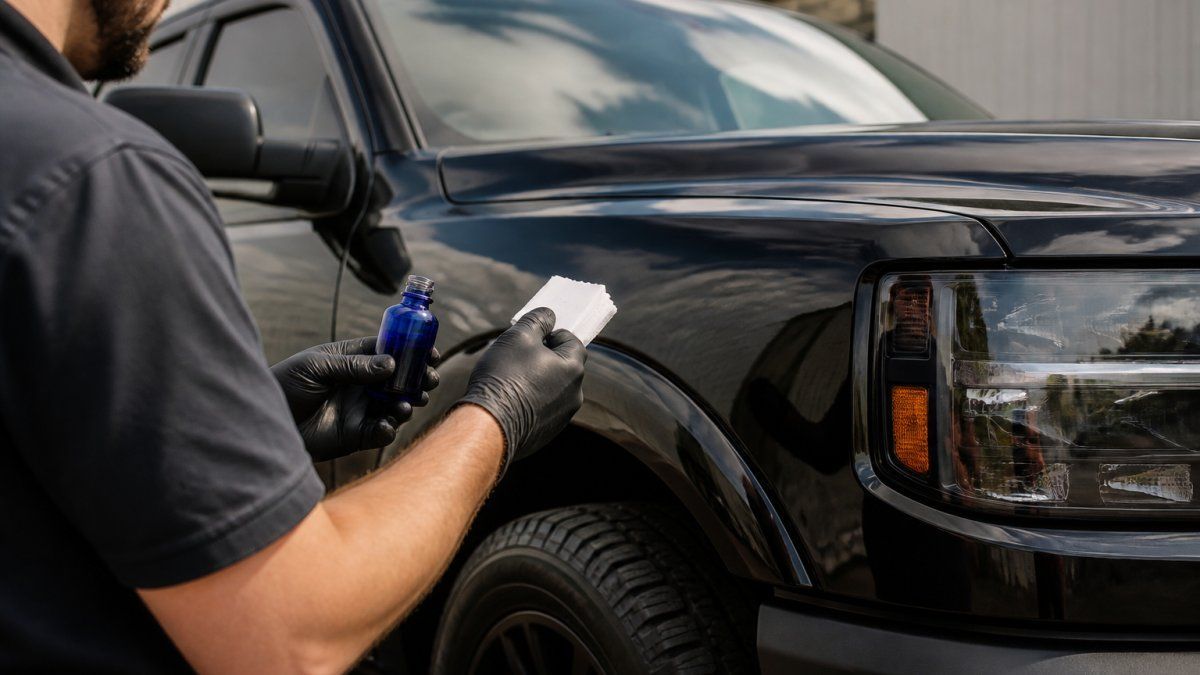
Motorcycle ceramic coating is a liquid polymer that bonds to paint, clear coat, and metal surfaces to create a semi-permanent protective layer. It makes washing easier, resists UV fading, and adds chemical resistance wax cannot match.
Revivify Ultra Pro is a next-generation, professional-grade self-healing protective coating engineered to deliver unmatched durability, gloss, and surface resilience. Unlike traditional ceramic coatings, Ultra Pro features advanced elastomeric polymers that provide true heat-activated self-healing, allowing fine swirls, light scratches, and marring to disappear with ambient heat, warm water, the hot sun or the friction created with a light polish, light polishing pad and an orbital machine.
Formulated for certified professionals, Ultra Pro creates a thick, flexible, and ultra-glossy layer that chemically bonds to automotive paint, hard plastics, metal, glass and wheels offering long-term protection against:
- UV rays & oxidation
- Water spots & chemical etching
- Bird droppings, bug splatter, and tree sap
- Road salts, grime, and harsh weather
- Small debris and road debris
Key Features:
- True Self-Healing Technology
- Extreme Hydrophobic Effect (High Contact Angle)
- Eco-Friendly Formula
- Ultra-High Gloss & Deep Color Enhancement
- Outstanding Chemical Resistance
- Superior Elasticity to Prevent Cracking, Peeling and small projectile protection
For riders, the appeal is practical rather than cosmetic. Bugs, tar, and road grime come off with far less scrubbing. Chrome and painted surfaces hold their gloss longer.
Two things determine how well a coating performs:
- Preparation. Coating over swirls, oxidation, or bonded contaminants locks the flaws in. Correction comes first, always.
- Product quality. A coating is only as good as the chemistry behind it, which is why we use tested, industry-leading products rather than whatever is cheapest that month.
How to Choose a Qualified Motorcycle Detailer in Salem
Choosing a detailer comes down to three things: proof they work on bikes, proof they know their products, and proof they stand behind the result. Everything else is marketing.
Most riders vet a detailer the way they would vet a car wash, and that is where things go wrong. A shop can be excellent at cars and still be wrong for a motorcycle, which has exposed fasteners, chain drives, sealed bearings, sensitive electronics, and finishes that punish a generic approach. A good test is, Do they ride?
The Motorcycle-Specific Vetting Checklist
Use these questions as a filter. A qualified motorcycle detailer should be able to answer every one without hesitation.
Experience and specialization
- How often do you detail motorcycles, and what types, cruisers, sportbikes, touring, dual-sport?
- Can you walk me through how your process differs for a chain-driven bike versus a belt-driven one?
- Have you worked on a bike with a matte finish, a vinyl wrap, or custom paint?
Products and methods
- Which coating or sealant lines do you use, and why those over others?
- How do you handle fork seals, wheel bearings, and electrical connectors during a wash?
- What water pressure do you use, and do you use a spot-free filtration system?
Insurance and liability
- Are you insured to work on customer vehicles, and can I see a certificate of insurance?
- What happens if a panel is scratched or a coating fails?
- Do you have a written workmanship guarantee, and what does it cover?
Evidence of work
- Can I see before-and-after photos of motorcycle work you have completed?
- Do you have reviews from motorcycle customers specifically, not just car owners?
- Can I contact a past motorcycle customer for a reference?
Red Flags to Watch For
A few patterns should make you pause:
- No motorcycle-specific photos. A portfolio full of SUVs and sedans tells you where their experience lives.
- Pressure washer as the first step. High pressure on a cold bike is fine; high pressure on fork seals, bearings, and connectors is not. A detailer who reaches for the wand before asking about the bike is a risk.
- No questions about your finish. Matte, satin, and wrapped finishes need different products. A detailer who does not ask is a detailer who may damage it.
Why Continuing Education Matters
Detailing products and coating chemistries change every year. A provider who trains yearly is far less likely to apply an outdated method to your paint, and far more likely to know which products are safe on a matte tank or wrapped fairing.
Ask when they last trained, and on what. The answer tells you whether you are hiring a professional or someone who bought a polisher and a business card.
Maintaining Your Motorcycle Between Details
Maintenance between professional details protects your investment. A coated bike still collects dirt, and how you wash it determines how long the coating lasts.
A simple routine works well:
- Rinse or wash every one to two weeks if you ride regularly
- Use a pH-neutral motorcycle wash, not dish soap
- Dry with a clean microfiber towel or filtered water
For chain-driven bikes, keep the chain clean and lubricated separately from the wash routine, and avoid degreaser overspray on freshly coated panels.
Conclusion: Booking Mobile Motorcycle Detailing in Salem
Keeping a motorcycle looking sharp takes consistent work, and most riders do not have the hours to do it properly. That is the problem a mobile detail solves. S.C.A. We handle motorcycles specifically, from wash and deep cleaning through paint correction and self-healing ceramic coatings, backed by yearly training on current products and techniques. Get a free estimate from S.C.A.
Frequently Asked Questions
What does mobile motorcycle detailing include?
A mobile motorcycle detail typically covers a full exterior wash, wheel and tire cleaning, bug and tar removal, chrome and metal polishing, seat and vinyl conditioning, and finish care. Many packages add paint decontamination, hand wax, or motorcycle ceramic coating. At S.C.A. Detailing, the mobile unit arrives with its own power and spot-free water filtration, so the full process happens at your home or workplace without you providing utilities.
How much does motorcycle detailing cost in Salem?
Motorcycle detailing cost depends on the bike's size, condition, finish type, and the package you choose. A basic wash and detail costs less than multi-stage paint correction or ceramic coating. Mobile service may include a travel charge based on distance from Salem. S.C.A. Detailing does not publish flat rates because every bike is different; request a free estimate with photos of your motorcycle for an accurate price quote.
Can a motorcycle be detailed at my home or workplace?
Yes. Mobile detailing at work or home is the standard setup for S.C.A. Detailing. The mobile unit carries its own power and water, so you only need to park the bike in a reasonably flat, accessible spot. Many riders book while they are at the office and come out to a clean motorcycle. Service availability covers Salem and roughly a 50-mile radius, including Keizer and the surrounding Willamette Valley area.
Is ceramic coating worth it for a motorcycle?
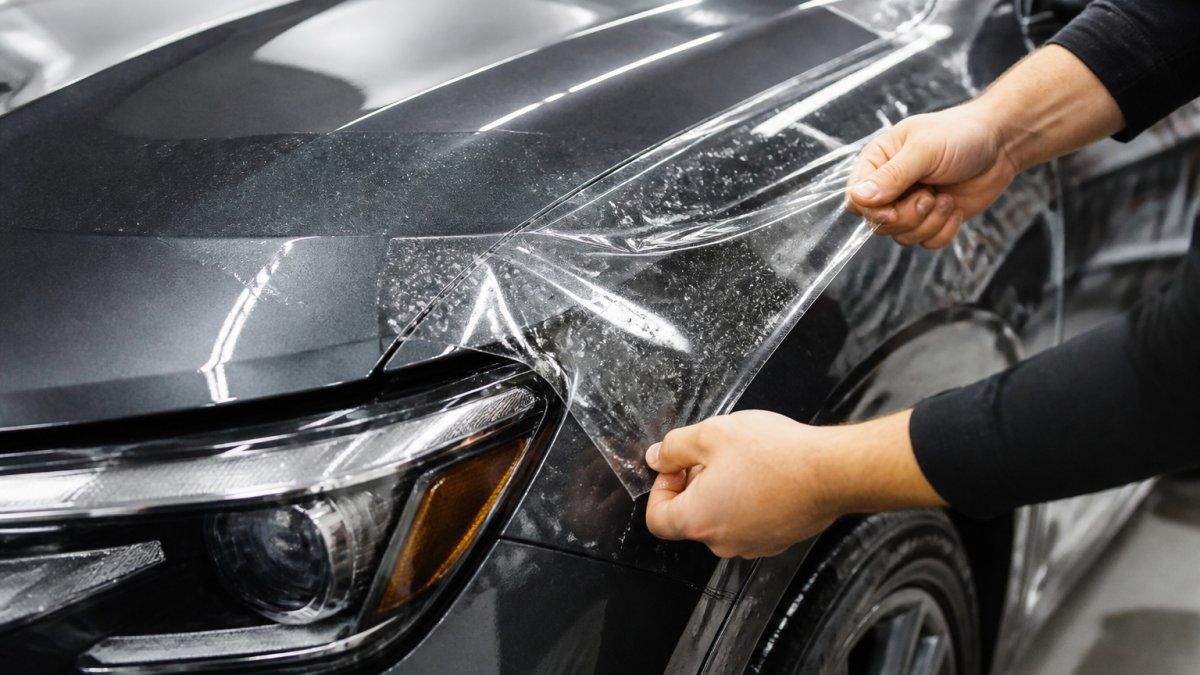
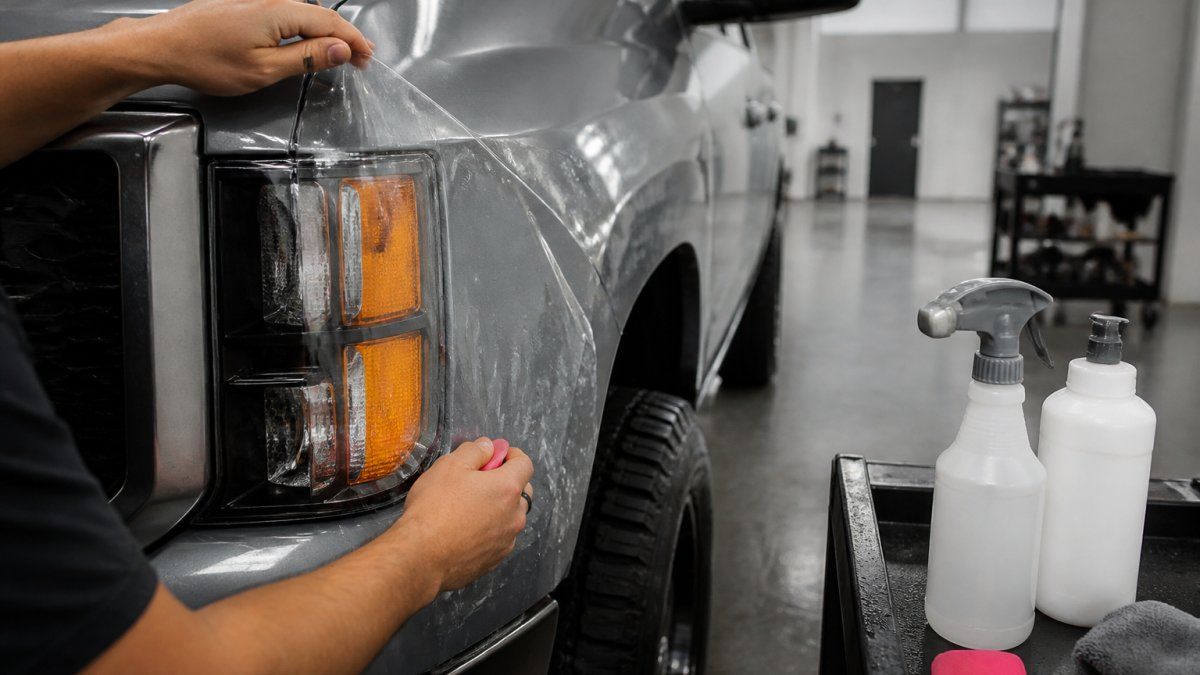
A motorcycle ceramic coating forms a semi-permanent layer that makes washing easier, adds gloss, and helps protect paint and plastics from UV, road grime, and light chemical exposure. It is not armor against rock chips; paint protection film handles that job. For bikes that see regular commuting or long rides, a coating usually pays off in easier maintenance and a finish that holds up longer between details.